
Ford 2.3L MPC EcoBoost Engine Specs, Problems, Reliability, Info
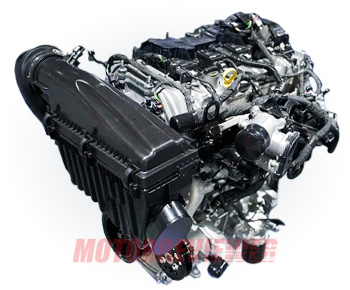
The New 2.3L EcoBoost Engine
The new Ford 2.3L EcoBoost engine with Modular Power Cylinder (MPC) architecture was introduced in the 2024 Ford Mustang. This inline-four 2.3-liter turbocharged engine has a lot of changes compared to its predecessor (2015-2023 2.3L EcoBoost), including modified cylinder dimensions, a new cylinder head design, and combined port and direct fuel injection. The output ranges from 270 to 315 horsepower and 310 to 350 lb-ft of torque. Ford now uses the 2.3 L MPC motor across nowadays popular rear-wheel-drive and all-wheel-drive models, such as the Ford Mustang, Ford Bronco, and Ford Ranger. Let's take a closer look at this new Ford product.
2.3L I-4 MPC EcoBoost Engine Features
The 2.3L MPC EcoBoost is an all-aluminum inline four-cylinder engine featuring Ford's new Modular Power Cylinder Engine Architecture. The MPC stands for the optimized piston dome, standardized cylinder spacing, combustion chamber shape, valve and injector orientation that are now applied to the 1.5L I-3 EcoBoost, 2.0L and 2.3L I-4 EcoBoost engine families. However, it does not refer to parts interchangeability, but mostly design principles.
The new 2.3-liter version got an updated high-strength aluminum open-deck cylinder block with a decreased from 87.5 mm (3.44 in) to 84 mm (3.31 in) bore spacing. On the other hand the stroke is increased from 94 mm (3.70) to 102 mm (4.02 in). The compression ratio is also increased from 9.5 to 10.6. The exhaust gas recirculation (EGR) system is integrated into the engine's block for a cleaner layout and improved efficiency. On top of the block, there is a new aluminum cylinder head with two chain-driven camshafts (DOHC), an integrated exhaust manifold, a modified combustion chamber, and improved intake and exhaust port flow. The intake and exhaust valve sizes are 34 mm (1.3 in) and 28.9 mm (1.14 in) compared to 32.5 mm (1.28) and 30 mm (1.18) on the outgoing engine. The valve lift for both types of valves is 9 mm (0.35 in). The intake and exhaust camshafts come with the latest version of Ford's Twin Independent Variable Cam Timing System (Ti-VCT).
The noticeable improvement is the implementation of the Dual Fuel Injection, which combines a traditional port fuel injection (MPI) with 350-bar high-pressure gasoline direct injection (GDI). The high-pressure fuel pump, which supplies fuel to the direct injectors, is now driven by the intake camshaft (CDFP, or cam-driven fuel pump). Regular port fuel injectors are located on a composite intake manifold. This engine also features an integrated air induction system (in longitudinal applications). The exhaust side got a new twin-scroll low-inertia turbocharger with a high-speed electronic wastegate system. A compressed air goes through an air-to-air intercooler, which is placed at the front of a vehicle.
The 2024+ Ford 2.3-liter I-4 EcoBoost engine delivers up to 315 horsepower and 350 lb-ft of torque, which is close to the outgoing version. However, there have been significant improvements in emissions compliance, fuel efficiency, reliability, throttle response, and low-end torque.
Engine Specs
Oil recommendations and capacity may vary depending on the car model, year, and market. Please check the service manual specific to your vehicle!
Ford 2.3L MPC EcoBoost Engine Problems
The previous 2.3L EcoBoost was known for some common direct-injection and turbocharger issues, including carbon buildup, blown head gasket, and coolant leakage. But the 2.3L MPC is a completely new story. It features a far more complex design, full of modern electronic components. The advanced fuel system utilizes a double amount of injectors (four direct injectors and four port injectors), two fuel rails with additional fuel sensors, a more productive and expensive high-pressure fuel pump. There is also an electronically controlled turbocharging system, EGR system and variable intake and exhaust cam timing. Certainly, this increases the likelihood of potential electronic issues in the future and makes them harder to diagnose. Besides that, the limits of the new internal components are still unknown due to a lack of long-term reliability and longevity data.
But for now, there are no major recalls found or any fatal issues described on the internet. We can also highlight some pros. The biggest one is combined port and direct fuel injection. The outgoing direct injected version may suffer from soot and deposit accumulation on the intake valves over time, but the additional port injection on the 2.3L MPC version keeps the intake side clean. Ford engineers also addressed some reliability concerns found in the predecessor, such as the potential for coolant intrusion.
2.3L MPC EcoBoost Reliability Summary
It seems like the Ford 2.3L I-4 MPC EcoBoost engine is much more reliable and durable, than the 2015-2023 model, and has a lot of improvements to overcome previous weaknesses. Of course, only time will tell. Keep in mind, the longevity of such a modern turbo engine heavily depends on the frequency of oil changes, the quality of oil and fuel, driving habits and conditions. The Ford 2.3 L EcoBoost has the potential to last up to 250,00 miles (400,000 km) with proper driving care and regular maintenance.