
Ford 3.5L PowerBoost Engine Specs, Problems, Reliability, Info
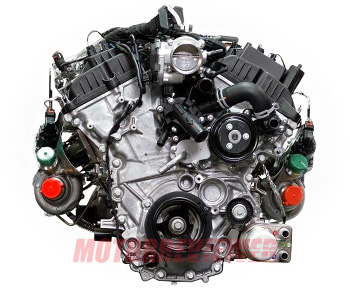
3.5L PowerBoost Info
The 3.5L PowerBoost full-hybrid V6 engine is a high-performance electrified powertrain from the Ford Motor Company. It includes a twin-turbocharged direct-injection 3.5-liter V6 EcoBoost engine, an electric motor making 47 hp (35 kW), and a 1.5 kWh lithium-ion battery pack. The 3.5L PowerBoost engine was first introduced in the 2021 Ford F-150 full hybrid model, where it delivers a combined power output of 430 horsepower and 570 lb-ft of torque. Let's take a closer look at this power unit.
3.5L PowerBoost Features
The main power source is a Gen II 3.5-liter V6 EcoBoost engine, of course. It has an aluminum 60-degree V6 engine block and aluminum DOHC heads with four valves per cylinder. As a second-generation EcoBoost engine, it features combined fuel injection (direct + port) and 10.5:1 compression ratio. From the beginning, the 3.5L PowerBoost engines came with a Belt-driven Integrated Starter/Generator (BISG). In 2024, the system was updated to a more streamlined design without BISG. For the 2024+ Powerboost models, a hybrid motor is used to start the engine and only the water pump remains as a belt-driven component.
The PowerBoost powertrain would not be a hybrid without an electric motor. There is a 47-horsepower motor integrated directly to the 10-speed automatic transmission. It works in tandem with the 3.5 L EcoBoost engine and utilizes regenerative braking. This motor also provides 2.4-7.2 kW while in generative mode. It is also worth noting that the hybrid system with an 1.5 kWh lithium-ion battery allows for full EV operation in certain conditions.
The Numbers
The EPA estimates that the PowerBoost engine can deliver 25 MPG in the city, 26 MPG on the highway, and 25 MPG combined. The max range on a single tank of gas and a fully charged battery is approximately 700 miles. A combined torque of 570 lb-ft (773 Nm) allows a maximum towing capacity of 12,700 pounds.
Engine Specs
Oil recommendations and capacity may vary depending on the car model, year, and market. Please check the service manual specific to your vehicle!
Ford 3.5L PowerBoost Engine Problems
Most of 3.5L PowerBoost hybrid engine problems stem from the complexity of hybrid system. Often, owners report problems with the charging system, such as weak or drained batteries, which lead to no start, "Deep Sleep" and "Stop Safely Now" warnings. High-voltage battery cooling system failures and malfunctioning Pro Power Onboard systems are also common. Rough operation can also occur.
The 3.5L EcoBoost engine is generally reliable, capable of lasting over 200,000 miles with proper maintenance. It is a second gen EcoBoost with combined fuel injection and it does not suffer from carbon buildup on intake valves. The most commonly reported problem with Gen 2 engines is a diesel-like cam phaser rattle or tick at cold start. Other issues are often caused by a lack of technical service or by the use of low-quality oil and fuel. Bear in mind that turbo engines are highly stressed. So It is very important to use high-quality synthetic oil and change the oil more frequently (not less than every 5,000 miles).
Reliability Summary
Things weren't going very smoothly at the start, and it took Ford some time to resolve the problems with the new system. Early 2021-2022 Ford F150 hybrid models have been ranked as #3 among the least reliable vehicles. But later updates seem to have improved the situation, and 2023+ trucks are really dialed in. The engine itself can last well over 200,000 miles. The electric motor is almost immortal. Lithium-ion batteries are designed to last for 8-10 years or 150,000 miles, but in reality they usually last longer. There are many PowerBoost on the roads today pushing 150k with no issues.