
Toyota G16E-GTS 1.6L Engine Specs, Problems, Reliability, Info
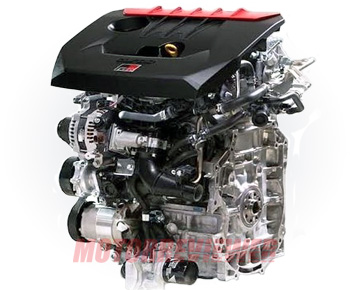
Toyota 1.6L G16E-GTS Info
The G16E-GTS is a 1.6-liter inline three-cylinder gasoline engine with turbocharging and Toyota's D-4S direct/port fuel injection system. This power unit was built by Toyota under its Gazoo Racing division and was introduced for the first time in 2020. Toyota uses the G16E-GTS engine in its sports versions of popular models, such as the GR Yaris and the GR Corolla. The 1.6-liter triple produces 257-300 hp (192-224 kW) and 360-400 Nm of torque, which puts it on par with legendary inline-six JZ engines.
G16E-GTS Features
The engine is built around an aluminum "open deck" cylinder block with 10 mm desaxage and thin cast iron liners fused into the block. This block comes with a forged crankshaft, forged connecting rods, T-shaped aluminum pistons, and oil squirters. It also has a balancer shaft which is driven by a crankshaft gear. The cylinder block is covered by an aluminum DOHC 12-valve cylinder head with hydraulic valve lash adjusters and roller rockers. The intake and exhaust camshafts are driven by a single-row chain with a 9.525 mm pitch and they both come with VVT (variable valve timing) actuators. Wide-range VVT-iW is used for the intake, while regular VVT-i is used for exhaust. The exhaust camshaft also drives the high-pressure injection pump and the vacuum pump.
The G16E-GTS engine utilizes combined fuel injection called D-4S: directly in the combustion chamber and multi-point in the intake ports. It also uses electronically controlled throttle ETCS and DIS-3 ignition system with iridium spark plugs (NGK DILKAR8U7G) and individual coils. On the exhaust side, there is a single-scroll turbocharger integrated into the exhaust manifold. It sends compressed air into the intake through an air-to-air intercooler. The boost is controlled by a pneumatic WGT valve and an electrically actuated air bypass valve (max boost is between 1.4 and 1.8 bar). The intake features Dual Intake System. The intake manifold is made of plastic. The rest of the engine is fairly straightforward: a mechanical water pump, a conventional thermostat, and a traditional oil pump driven directly by the crankshaft.
2023+ G16E-GTS GEN 2 Engine
The second gen G16E-GTS engine not only has a power boost from 268 hp to 300 hp, but it also has quite extensive differences in the engine parts list. The engine upgrades include a stronger valvetrain, new exhaust cams and exhaust valve material, increased fuel injection pressure, and stronger pistons. While the Gen 2 improvements resulted in increased performance, they were mainly aimed at ensuring reliability and durability. The Gen 2 engine is used in the 2023+ GR Corolla and the 2024+ facelift GR Yaris, and it is fully interchangeable with Gen 1.
Engine Specs
Oil recommendations and capacity may vary depending on the car model, year, and market. Please check the service manual specific to your vehicle!
G16E-GTS Engine Problems and Reliability
The G16E-GTS is generally very robust. However, first-generation engines did experience some serious issues with reliability, such as detonation, oil starvation, and piston and block damage. Later models, however, have improved components and fewer reported failures. Let's take a look at some of the most common problems with the inline-three G16E-GTS engine.
Detonation Problem
The first-gen engines had the issue with a detonation (also known as Low Speed Pre Ignition or LSPI) due to an oil blow-by through piston rings. This is very dangerous to the engine, often leading to bent connecting rods, broken pistons. In some cases, connecting rods went through the cylinder block. In some cases, the connecting rod went through the cylinder block, causing a big oil spill under the hood (fire hazard).
Oil Starvation
Harsh driving, for example in racing conditions, can cause problems with oil starvation. Many owners recommend using thicker 5W-30 instead of 0W-20 oil.
Rocker Arm Failures
The engine lacks rocker retainer clips and a rocker can dislodge. Also the first-generation engines are known for their valve springs being too weak, which allows the possibility of piston/valve contact at high RPM.
Toyota 1.6L G16E-GTS Lifespan
First of all the G16E-GTS 1.6L is a high performance engine used in a sports cars. The reliability of such powerful engines is always a topic of discussion. Yes, this three-cylinder engine is not perfect and is even prone to catastrophic failures. Keep in mind that it was designed for racing, not for regular commuting, so the longevity is not its strongest side. However, with frequent maintenance and oil changes (every 3k-5k miles), it may serve pretty well, often exceeding 150,000+ miles.