
Chrysler 3.0L Hurricane GME-T6 Engine Specs, Problems, Reliability, Info
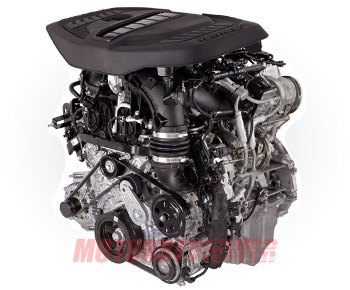
Hurricane GME-T6 Engine Info
The Hurricane GME-T6 is a 3.0-liter inline-six gasoline twin-turbocharged engine with a direct fuel injection system. It is produced by Chrysler (Stellantis North America) since November 2021, and comes in two versions: Standard Output (SO, 420 hp and 468 lb-ft) and High Output (HO, 510-540 hp and 521-531 lb-ft). This engine was designed to replace HEMI V8 engines in vehicles such as the Jeep Wagoneer, Dodge Charger, and Ram 1500. It is manufactured at the Chrysler Saltillo Engine plant in Ramos Arizpe, Coahuila, Mexico (this plant also produces the 3.6L Pentastar V6 engine). Let's take a look at the design of this 3.0-liter inline-six and learn about its features, reliability, problems, as well as some pros and cons.
GME-T6 3.0 Hurricane Features
The 3.0L Hurricane engine shares some commonalities such as valvetrain, cylinder spacing and bore and stroke with the 2.0-liter 4-cylinder Tigershark. However, less than 5% of components are shared. The GME-T6 cylinder block is made of aluminum and it features a deep-skirt design, cross-bolted steel main bearing caps, and a Plasma Transfer Wire Arc coating on the cylinder walls. The crankshaft and connecting rods are forged steel, and the pistons are forged aluminum (HO) or cast aluminum (SO). The engines also use a die-cast aluminum alloy oil pain.
Cylinder head is also a die-cast aluminum. It features pent-roof combustion chambers, four valves per cylinder, sodium filled exhaust valves, and a hydraulically adjusted lash system with roller finger followers. The engine uses a double overhead camshaft (DOHC) valvetrain layout. Camshafts are driven by a timing chain and both cams come with phase adjusters (variable valve timing system with up to 60 degrees of advance on the intake and 55 degrees on the exhaust).
The GME-T6 engine uses high-pressure direct injection (350 bar) and a turbocharging system with two low-inertia turbochargers (each feeding three cylinders) and a dedicated water-to-air charge cooling unit. The SO version has a 10.4:1 compression ratio and is limited to spinning up to 5,800 RPM. The maximum boost pressure is only 22 PSI. Thanks that it can use 87 (regular gas) or 89 octane fuel. The High Output engine comes with larger turbochargers producing a higher max boost (26 psi). It also features a 9.5:1 compression ratio, two chain-driven HP fuel pumps (SO has one), 6,100 rpm maximum revs, and no Exhaust Gas Recirculation (EGR) system. The HO engine requires the use of premium fuel (91 octane) and oil with 0W-40 viscosity. Both engines come with starter-motor-driven stop/start technology. The standard output I-6 makes 420 hp at 5,200 rpm and 468 lb-ft (635 Nm) of torque at 3,500 rpm, while the high output motor produces up to 540 horsepower at 6,200 rpm and 531 lb-ft (720 Nm) of torque.
The GME-T6 is intended to replace the 5.7-liter and 6.4-liter V8 engines in the Chrysler engine lineup. The company claims that the inline-six engine is up to 15% more fuel-efficient, and produces 15%(SO) and 13%(HO) less CO2 than the larger-displacement Hemi V8s. The Hurricane GME-T6 engines are also capable for use in plug-in hybrids, mild hybrids or traditional hybrids.
Engine Specs
9.5:1 - HO
441 lbs (200 kg) - HO
SAE 0W-40 - HO
Oil recommendations and capacity may vary depending on the car model, year, and market. Please check the service manual specific to your vehicle!
Hurricane GME-T6 Engine Reliability and Problems
The Stellantis 3.0L Hurricane (GME-T6) is still relatively new to the market and lacks long-term high mileage data, especially the High Output version. For now, we can only highlight some of the design features of this motor that may affect its reliability and durability.
First of all, it is a direct-injection engine. This type of motors susceptible to carbon accumulation on intake valves, which can reduce performance over time. The carbon buildup happens due to there is no fuel washed over the intake valves. This issue was common in the first gen Ecoboost engines (2.7 EcoBoost or 3.5 EcoBoost). The DI system also requires high-quality fuel. Bad, dirty gasoline will quickly destroy an expensive high-pressure fuel pump and clog direct fuel injectors. Also, it is hard not to mention the complexity of the twin-turbo setup and unknown durability of the cylinder bore coating (Plasma Transfer Wire Arc technology).
The most commonly reported issue so far has been a failed thermostat. The plastic housing of the thermostat is physically breaking, causing it to get stuck in the closed or open position. Some owners complain about the complexity of maintenance and the presence of too much electronics. For example, this engine doesn't have a traditional dipstick, making oil level monitoring more dependent on electronic systems.
Hurricane 3.0 I-6 Engine Longevity
How long will the Hurricane engine last? Design and technologies play an important role, but, for a modern, turbocharged and direct-injected engine, proper maintenance is crucial. The Hurricane 3.0 unit requires premium fuel (SO or HO, no matter), high-quality motor oil, and regular oil changes. This is key to long-term reliability. As this engine was recently introduced, long-term, high-mileage data is still being collected. But the GME itself has been around since 2016 and used globally for a while (like 2.0L GME-T4, 2.0L Hurricane 4 EVO). Assuming the GME engines are comparable, GME-T6 lifespan could potentially exceed 150,000 to 200,000+ miles.