
GM 6.6L LML Duramax Engine Specs, Problems, Reliability, Info
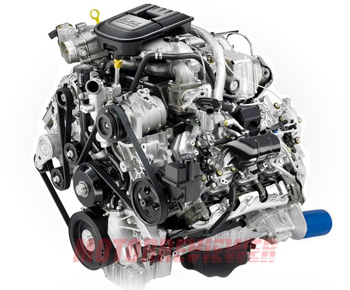
6.6L LML Duramax Engine Info
The LML Duramax is a 6.6-liter V8 turbocharged diesel engine with a Common Rail injection system, manufactured for use in full-size heavy-duty GM pickup trucks, such as the Chevrolet Silverado HD and GMC Sierra HD, paired with an Allison 1000 6-speed automatic transmission. This diesel engine was introduced in the 2011 model year, replacing the previous LMM Duramax version. The LML Duramax is rated at 397 horsepower (296 kW) and 765 lb-ft (1,037 Nm) of torque and features a huge improvement in engine emissions over its predecessor. Let's take a look inside this diesel engine and see how it is made. Learn all its features, specs, common problems, and reliability.
6.6L LML Duramax Engine Design Overview
The foundation of this engine is a strong cast-iron cylinder block with five nodular-iron main bearings and induction-hardened cylinder walls. At the bottom, there is a die-cast aluminum lower crankcase that provides both strength and weight savings. The LML engine comes with a nitride-hardened forged-steel crankshaft, forged steel connecting rods with a smaller pin bore than the LMM, and new forged aluminum pistons without pin bushings to reduce weight. Piston cooling oil nozzles/jets are located at the bottom of the cylinder bore. Being a pushrod engine, the camshaft is located inside the block. It is driven by a gear from a crankshaft. The valvetrain also features mechanical roller valve lifters.
The cylinder block is covered by cast aluminum cylinder heads with six head bolts per cylinder. These heads feature four valves per cylinder and new 30,000 PSI piezo injectors as well as rapid-heating glow plugs. As you may see, this 6.6-liter Duramax also uses a common rail direct injection fuel system with electronically controlled piezo injectors. The LML version is equipped with a Bosch CP4.2 fuel injection pump instead of a Bosch CP3, which creates fuel pressure of up to 30,000 PSI (2,000 bars). There is also an additional, so-called, ninth injector in the exhaust tract (behind the turbo), which feeds raw fuel and DEF during the diesel particulate filter (DPF) regeneration cycle. The engine requires ultra-low sulfur diesel. It is also capable of running on B20 biodiesel (20 percent biodiesel and 80 percent conventional diesel).
The LML 6.6L Duramax is equipped with a water-cooled Honeywell AVNT (Garrett GT3788VA) variable-vane turbocharger (VVT) with self-adjusting turbine vanes and electronic control. This turbocharger features 11-blade 60.6 mm inducer compressor wheel and 11.2 mm tall vanes. Thanks to new turbocharging system, redesign intake system with new air filter box for a flat-panel cartridge air filter, an improved MAF sensor, the LML version delivers even more power with lower exhaust emissions than previous 6.6-liter Duramax diesels - more than 32 hp and 105 lb-ft more than its LMM predecessor.
Speaking of emissions, the LML engine, which is a 4th-Gen 6.6L Duramax, utilizes the latest in emission control technology, including cooled dual-loop Exhaust Gas Recirculation (EGR), Selective Catalytic Reduction (SCR), and Diesel Particulate Filter (DPF). The LML was the first Duramax to get SCR. This system drastically reduced NOx emissions. For comparison, it produces 63% less NOx emissions than the LMM version, according to GM.
The GM produced more than 600,000 LML Duramax diesel engines between 2011 and 2016. In 2017, it was replaced by the L5P Duramax - the most powerful GM diesel engine ever produced, with 445 hp (332 kW) and 910 lb-ft (1,234 Nm).
Engine Specs
Oil recommendations and capacity may vary depending on the car model, year, and market. Please check the service manual specific to your vehicle!
GM 6.6L LML Duramax Common Problems
The LML Duramax engine has received 60% of new parts, including a stronger block, connecting rods, pistons, as well as a more sophisticated, complicated and sensitive fueling system and emissions equipment. This diesel is considered as a powerful, highly capable towing engine with strong and durable internal components. However, it is notorious for emissions system issues, electronics problems, and costly fuel injection pump failures. So, let's take a closer look at the major and pervasive problems with this engine.
Fuel Injection Pump Failure
GM replaced the Bosch CP3 pump with the Bosch CP4.2 injection pump, that features a dual piston design and overly tight tolerances. The new pump is intolerant to dirty fuel contaminated with water, air, and grime, and is also known for its lubrication issues. Dirty fuel wears down the internal components of the pump. When pump wears, it sheds metal shavings through the fuel system, causing the fuel rail, injectors, and fuel lines to become clogged and stop working. The CP4.2 failure rate is not as high as people fear, but it is still quite expensive to fix, up to $12,000. The best way to make it last longer is to use high-quality diesel fuel and regularly change the fuel filter.
NOx Sensor Failures
The LML comes with the SCR system, which includes two NOx sensors: one before and one after the DEF injection location. These sensors often fail, causing a "Poor DEF Quality" message and engine limp mode about 200 miles after a warning light (codes: P20EE, P207F).
Bad DEF Pump
The DEF pump used by the SCR system commonly fail every 40,000-50,000 miles. A bad DEF pump won’t cause any engine damage, but its failure also leads to a limp mode and the "bad DEF quality" light on the dashboard.
DEF Heater Problems
DEF fluid has a high water content and is prone to freezing in colder climates. To prevent this happening, the system is equipped with a DEF heater. Unfortunately, this heater does not last long and frequently fails, sending the engine into limp mode as well (codes: P21DD, P20B9).
Boost Leaks
Intercooler boots and intake pipings is prone to crack or slip loose under high boost, leading to loss of power and black smoke under acceleration. If you have any boosting problems, first make sure that all the clamps are tight and that the rubber pipes do not have holes.
6.6L LML Duramax Reliability and Longevity
Emissions control causes additional problems for any modern diesel engine and the LML Duramax is not an exception. The fueling system is also finicky and can drain your pocket. Otherwise, the 6.6L LML Duramax is a durable and reliable diesel engine that can last up to 400,000 (600,000 km) miles with proper maintenance.