
GM 3.0L LM2/LZ0 Duramax Engine Specs, Problems, Reliability, Info
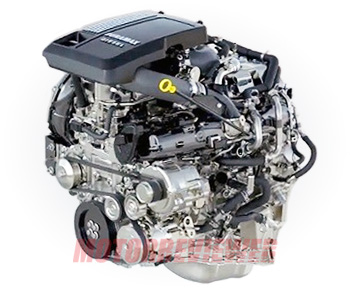
3.0L Duramax Engine Info
The 3.0L Duramax Diesel (LM2 or LZ0) is a 3.0-liter inline six-cylinder turbocharged diesel engine manufactured by General Motors for use in light-duty pickup trucks like the Chevy Silverado 1500 and GMC Sierra 150, and also in some of their mass-produced full-size SUVs: the Chevy Tahoe, Chevy Suburban, and GMC Yukon. The 3.0 liter Duramax diesel engine was introduced first in 2018 (LM2 version). The LM2 engine was developed together with Opel, who are manufacturing 1.5-2.0L three- and four-cylinder versions, using the same engine architecture. The 3.0 LM2 Duramax produces 277 hp and 460 lb-ft of torque. In 2023, the LM2 was replaced by the upgraded 3.0 I-6 Duramax LZ0, which produces 305 hp (+10%) and 495 lb-ft (+7.6%) torque. So, let's take a closer look at how "baby Duramax" is built, learn its specifications, features, pros and cons.
3.0L LM2 Duramax Diesel Engine Overview
The 3.0L Duramax engine is all-aluminum: the cylinder block and the cylinder head of the 3.0-liter LM2 is made of a cast aluminum alloy. The cylinder block features a deep-skirt block design, seven nodular iron main bearing caps, and iron cylinder liners. The engine also comes with a stiffness-enhancing aluminum lower crankcase extension attached to the main bearing caps. The block is fitted with forged steel crankshaft, forged steel connecting rods, and hypereutectic aluminum pistons with a thick piston crown.
On top, there is an aluminum DOHC head with four valves per cylinder and ceramic glow plugs that can heat up to 2,100 degrees in 3 seconds. The intake and exhaust camshafts are driven by a chain. The timing chain, as well as the high-pressure pump (Denso HP5) chain and the wet belt that drives the oil pump, is located at the back of the engine. The 3.0 I-6 Duramax is equipped with an electronic Common Rail direct injection system, which features an injection pressure of 2,500 bars (36,500 PSI) and solenoid injectors with 9 hole nozzles capable of up to ten injections per combustion cycle. It also comes with an electronically controlled single close-coupled variable geometry turbocharger (VGT) produced by Garrett. The turbocharging system utilizes an air-to-water intercooler.
The 3.0L Duramax uses an advanced Active Thermal Management (ATM) cooling system that precisely controls the coolant flow by a coolant control valve instead of a traditional mechanical thermostat. The ATM system uses this valve to manage coolant flow to the turbocharger, engine block, cylinder head, engine oil cooler, and heater core. There is also a liquid-cooled low-pressure exhaust gas recirculation (EGR) system on this diesel engine. The Duramax 3.0 diesel engine meets Tier 3 Bin 160 EPA vehicle emissions certification standard thanks to advanced Selective Catalyst Reduction on Filter (SCRF) technology.
As the result, the LM2 Duramax 3.0 produces 277 horsepower and 460 lb-ft of torque and at the same time delivers impressive fuel economy ranging between 25 and 28 mpg combined depending on vehicle model. The Duramax 3.0L Diesel has a good towing capacity ranging from 9,100 pounds to 13,300 pounds (with the proper Max Tow Package) and is capable of engine braking, which significantly reduces the wear on the brakes on steep downgrades. The LM2 version was manufactured until 2024, and then it was replaced by the upgraded version of Duramax 3.0, with a pro code LZ0.
LZ0 Duramax 3.0 Diesel Engine
The LZ0 version was introduced in 2022 and was first used on the 2023 Silverado 1500 / Sierra 1500. The new Duramax 3.0L provides a noticeable bump in performance output over its predecessor, with more than 10% increase in power and 7% increase in torque. The LZ0 engine features major mechanical and reliability upgrades. Pistons were upgraded from aluminum to steel to withstand higher loads. They are also come with an optimize combustion bowl design. The connecting rods were lengthened to maintain the original 90 mm stroke and 3.0-liter displacement. The engine block also got larger cylinder liners. The compression ratio is now 15.2 instead of 15. This engine also got a new oil pump drive belt with an extended service interval up to 200,000 miles. It now uses a larger oil cooler, a larger water pump, and a simplified coolant control valve with fewer moving parts.
The cylinder head received a lot of changes including revised intake ports, longer intake valves, modified coolant routing, and a new intake camshaft. Engineers made some improvements to the fuel delivery system and turbocharging as well. They installed new fuel injectors and a revised variable geometry turbocharger. Improved airflow capability combined with other changes has gained additional 28 horsepower and 35 lb-ft of torque. The end result is 305 hp and 495 lb-ft of torque.
Engine Specs
15.2:1 - LZ0
Oil recommendations and capacity may vary depending on the car model, year, and market. Please check the service manual specific to your vehicle!
Chevy/GMC 3.0L Duramax Problems and Reliability
The GM 3.0-liter Duramax I-6 is a highly efficient diesel engine built to last. However it is far from perfect. Both LM2 and LZ0 versions have a mixed record of reliability, with periodic instances of well-documented faults. Let's talk about the most critical problems with the LM2/LZ0 Duramax diesel engine.
Timing Chain and Oil Pump Belt Replacement
The arrangement of the timing chain, the HP pump, and the oil pump belt at the back of the engine make inspection and replacement very labor-intensive and expensive, often requiring the transmission to be dropped. The LM2 oil pump belt has a 150,000-mile replacement interval, while the LZ0 has an extended oil pump belt service interval of 200,000 miles. Oil pump belt failure can cause severe damage to the engine.
Coolant Control Valve Failure
The LM2 Duramax engine uses a very complex active thermal management system with multiple sensors, actuators and coolant pathways. Its Coolant Control Valve is known for poor reliability (code P1098). The LZ0 is equipped with a revised and simplified version that is advertised as being more durable, but owner reports indicate that coolant control valve failures can still occur.
Crankshaft and Thrust Bearing Wear
2025-2026 LZ0 engines suffer from premature thrust bearing wear, leading to catastrophic engine failure. Owners report that the issue occurs often under 10,000 miles. Symptoms of this issue include Check Engine Light, P06DD trouble code (issue with the engine oil pressure control valve), a knocking or mechanical rattling noise. General Motors has already released Technical Service Bulletin 25-NA-307, which provides repair instructions for vehicles equipped with the LZ0 3.0L Duramax diesel engine.
Electronic and Emissions Systems Failures
This engine is full of electronic components, which is a constant source of trouble. For example, there are 7 different sensors in the LM2 cooling system alone. The Duramax diesel engine also relies heavily on electronic sensors for its emission control equipment, including NOx sensors, DEF level sensors and the DEF injector. The DPF (diesel particulate filter) and SCR systems are very sensitive to the quality of fuel and require regular regeneration cycles, especially in urban driving conditions. It is recommended to go to the highway from time to time to avoid these expensive systems clogging.
3.0 Duramax Diesel Engine Longevity
So, is this engine good or bad? Well, it's not ideal and there are some serious issues reported, but at the same time, many owners experience flawless operation. The 3.0L Duramax LM2/LZ0 has strong and durable internal components, it is highly capable and can last 200,000 to 300,000+ miles if properly maintained.