
Nissan 3.5L VQ35DD Engine Specs, Problems, Reliability, Info
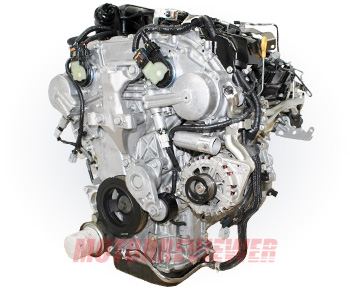
Nissan/Infiniti 3.5L VQ35DD V6 Engine Overview
The Nissan VQ35DD is a naturally aspirated 3.5-liter V-shaped six-cylinder gasoline engine with direct fuel injection (NEO-Di) that replaced the 3.5L V6 VQ35DE in 2017. The direct-injected version keeps key features of the latest VQ series generation, including an all-aluminum design and DOHC heads with continuous variable valve timing control system (CVTCS). The VQ35DD engine is primarily used in the 2017+ Nissan Pathfinder and Infiniti QX60 models, producing between 284 to 295 hp and 250 to 270 lb-ft of torque (340-366 Nm). Let's dive deeper into the engineering of this Nissan 3.5-liter V6 engine and learn about its reliability, longevity and common problems.
3.5L V6 VQ35DD Engine Features
If the famous VQ35DE has become synonymous with reliability, and its high-rev VQ35HR version has given 350Z and G35 sports cars incredible responsiveness, then the modification with the DD index represents the next evolutionary step. The new engine is based on a time-tested 60-degree V-shaped aluminum open-deck cylinder block with mirror coated bores. The bore and stroke have not changed: 95.5 mm x 81.4 mm. But the engineers slightly increased the compression ratio to 11:1. The block is covered with completely new cylinder heads. These are aluminum DOHC heads with four valves per cylinder (24 total), sized valve tappets, direct injectors, optimized ports and new valves. Camshafts are chain-driven (three chains in total), and both intake and exhaust come with continuous variable valve timing control system (CVTCS). Phase adjusters are electronically controlled.
The main difference between the VQ35DD and its predecessors DE and HR lies in the fuel supply system. Instead of the traditional port or multipoint injection (MPI), it utilizes Direct Injection Gasoline (DIG), where fuel is fed directly into combustion chambers at high pressure provided by high pressure fuel pump. This power unit also comes with the NDIS (Nissan Direct Ignition System), featuring individual coils and platinum-tipped spark plugs. The intake manifold consists of two parts: a cast aluminum lower intake manifold and an upper intake manifold assembly made of plastic. The stock throttle body size for the VQ35DD is 70 mm in diameter.
Switching to direct injection has achieved several important goals. Nissan was able to reduce fuel consumption by 10-15% compared to the predecessor VQ35DE and a more accurate dosage of the fuel mixture allows the engine to meet stricter emission standards without significant power loss. Fuel consumption for the Nissan VQ35DD engine, used in heavy vehicles like the Pathfinder SUV, typically averages 20 to 21 MPG in the city, 27 to 28 MPG on the highway, and 20 to 24 MPG combined.
Engine Specs
Oil recommendations and capacity may vary depending on the car model, year, and market. Please check the service manual specific to your vehicle!
The Most Common VQ35DD Engine Problems
The new engine kept the VQ-series architecture with a huge margin of structural strength. But to achieve higher specific output, lighter weights, and stricter emission targets, the newest engine has sacrificed some of the ruggedness of its predecessors.
- Carbon Buildup: This engine uses only a direct injection system, which sprays fuel directly into the combustion chamber rather than inside the intake ports at the back of the intake valves. Over time, oil vapors and crankcase gases bake onto the valves (carbon buildup process), causing power loss, misfires, and increased fuel consumption.
- Oil Sludge: The VQ35DD is a hot engine that is notorious for degrading engine oil quickly. This engine boils oil even when idle. It is very important to use full-synthetic oil only, high-detergent, 0W-20 or 5W-30 and change oil every 3500 to 4000 miles, not the factory recommended 7500 miles.
- Non-Repairable Cylinder Block: The DE predecessors came with blocks equipped with traditional cast iron sleeves. But all DD versions (VQ35DD and VQ38DD) features aluminum blocks with sprayed-on cylinder bores. Mirror Bore Coating (MBC) is a thermal wire-arc process to apply a thin steel spray coating directly to the aluminum cylinder walls. This manufacturing process cannot be done in any machine shop. If any damage occurs, the block is generally considered to be "throwaway" and must be replaced with a new or used block in good condition.
- Catalytic Converter Dust: The front catalytic converters are highly sensitive to low-quality fuel. If they deteriorate, ceramic dust can be sucked back into the cylinders, damaging the unrepairable plasma-coated cylinder walls and destroying the engine.
Nissan/Infiniti 3.5L V6 VQ35DD Reliability and Longevity
But is the VQ35DD a good or a bad choice? Well, this engine suffers primarily from severe carbon build-up and rapid oil degradation. However, it can reliably last 200,000 to 300,000+ miles with strict preventative care. To avoid common issues and extend the lifespan of this engine, change your full-synthetic oil (0W-20 or 5W-30) every 3,500 to 5,000 miles, use high-detergent premium gasoline, check/replace PCV (Positive Crankcase Ventilation) valve every 20,000 miles, and minimise long Idling.