
Nissan 1.5L KR15DDT VC-Turbo Engine Specs, Problems, Reliability, Info
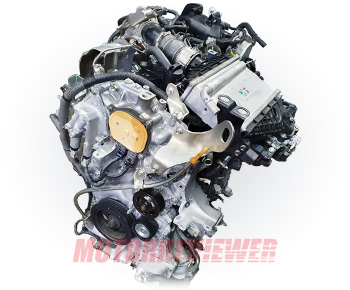
Nissan 1.5L VC-Turbo KR15DDT Engine Info
The Nissan KR15DDT is a 1.5-liter three-cylinder gasoline turbocharged engine featuring direct injection (DIG) and variable compression (VC-Turbo) technology. This engine was first introduced in the fourth-generation Nissan X-Trail / Nissan Rogue, where it is primarily used in Nissan's e-Power hybrid system. By the way, the KR15DDT VC-Turbo won a trophy at the Wards 10 Best Engines and Propulsion Systems Awards of 2022. So, let's take a closer look at the design of this engine and learn about its specs, reliability, and common problems.
KR15DDT Engine Features
The engine is built around a lightweight aluminum open-deck cylinder block equipped with a balancing shaft unit. There are no cast iron sleeves. Instead, the engine block utilizes a stainless steel thermal spray coating on the cylinder bores, with a thickness of 0.2 mm. The KR15DDT has a variable compression ratio engine that uses a multi-link system with harmonic drive reduction gear. This sophisticated multi-link system, with an eccentric control shaft, continuously adjusts the compression ratios between 8:1 for maximum power and 14:1 for maximum efficiency.
The block is covered by an aluminum DOHC cylinder head with four valves per cylinder (12 valves total). It features an integrated exhaust manifold. Cams are driven by a timing chain. The valve train lacks hydraulic lash adjusters. Both the intake and exhaust camshafts come with variable valve timing technology. This head also have direct fuel injectors, that shoot fuel directly into combustion chambers. This head also has direct fuel injectors that shoot fuel directly into the combustion chambers. Unlike its older brother, the KR20DDET, the 1.5-liter KR15DDT does not feature combined fuel injection (port + direct), but only direct injection. In addition to the regular fuel-tank-located a low-pressure fuel pump, there is also a cam-driven high-pressure fuel pump that supplies fuel to the direct injectors.
Both of the Nissan's VC-Turbo engines are turbocharged. The 1.5 VC-Turbo comes with an electronically controlled MHI TD03MFL5 turbocharger and a water-cooled (air-to-water) intercooler. This engine also comes with an advanced coil-on-plug ignition system and long-lasting platinum-tipped spark plugs, capable of withstanding high loads.
The 1.5 VC-Turbo KR15DTT (KH5T) is primarily utilized in Nissan's e-Power hybrid models, where it acts as a generator to charge the battery and power electric motors, rather than directly driving the wheels. It is worth noting here that, in this system, the engine operates within a narrow range of RPM in order to achieve maximum efficiency.
Engine Specs
Oil recommendations and capacity may vary depending on the car model, year, and market. Please check the service manual specific to your vehicle!
Nissan 1.5 VC-Turbo Problems and Reliability
The Nissan KR15DDT engine is known for its low robustness and a substantial risk of severe mechanical breakdown. Like the 2.0 VC-Turbo, it was also associated with a huge reliability issues with the main, A-, C-, and L-link bearings, which led to the NHTSA opening an investigation in 2023 and official recall on June, 2025, targeting nearly 450,000 vehicles. In early 2026, further recalls were issued for more than 320,000 Rogues to address issues with dangerous oil overheating and throttle gear failure.
Unfortunately, that's not all. Here are some of the most common problems as well as the cons of the Nissan KR15DDT 1.5 VC-Turbo.
- Carbon Buildup: Because this engine uses Gasoline Direct Injection (GDI) only, fuel does not wash over the intake ports and intake valves. Over time, the engine may accumulate a thick layer of carbon deposits, restricting airflow and leading to reduced power and increased fuel consumption.
- Blown Head Gaskets: According to technicians report, there is a high incidence of premature head gasket failure, sometimes occurring at less than 20,000 miles.
- Engine Detonation: The KR15DDT engine is prone to detonation. Therefore, very high requirements are placed on fuel quality and octane number (the user manuals in Europe and Asia recommend at least 95 RON).
Nissan KR15DTT Longevity
The Nissan KR15DDT is a highly stressed 1.5-liter 3-cylinder engine with a complex design that engineered for a lifespan of 150,000 miles (approx. 200,000 to 250,000 km). Actual longevity heavily depends on premium fuel, 0W-20 full synthetic oil, regular oil changes, and driving habits.