
Nissan 2.0L KR20DDET Engine Specs, Problems, Reliability, Info
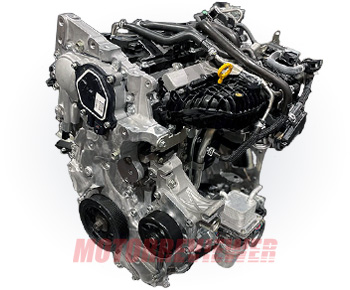
Nissan 2.0L VC-Turbo KR20DDET Engine Info
The Nissan KR20DDET is a 2.0-liter gasoline four-cylinder turbocharged engine with variable compression ratio (VC-Turbo), which debuted at the 2016 Paris Motor Show. This inline four also features combined direct injection (DIG) and multi-point fuel injection. Nissan uses the KR20DDET instead of old VQ35DE V6 engines primarily in premium Nissan and Infiniti models such as the Nissan Murano, Infiniti QX60, QX50 and QX55. The 2.0 VC-Turbo engine was also used in the high-trim variants of the Nissan Altima sedan.
KR20DDET Design and Features
The 2.0 VC-Turbo comes with an aluminum open-deck cylinder block with mirror bore coating and a DOHC 16-valve aluminum head. This engine features unique technology that varies compression between 8:1 and 14:1 (endlessly variable piston stroke) via a multi-link system. The low-compression mode is designed for performance, while the high-compression mode focuses on efficiency during cruising and light loads. Moreover, this 2.0-liter engine features variable valve timing on both intake and exhaust camshafts (electric intake VVT, hydraulic exhaust VVT) and variable displacement oil pump. Cams are driven by a timing chain. The valvetrain lacks hydraulic lash adjusters.
Another standout feature is the combined fuel injection system, which includes Direct Injection (DIG) and multi-point injection. Direct injection requires high fuel pressure, so the engine was equipped with a high-pressure pump (mounted on top) for this purpose. The turbocharging system includes a single-scroll turbocharger Garrett MGT2056Z with electronic wastegate and an air-to-air intercooler. The cylinder head has an integrated exhaust manifold, so the turbocharger is bolted directly to it. The intake manifold and piping are made of automotive plastic.
The KR20DDET produces 241-268 hp at 5,600 RPM and 260–286 lb-ft (353–388 Nm) of torque in the range between 1,600 and 4,400 RPM, offering performance comparable to previous 3.5L and 3.7L V6 engines with 4-cylinder fuel efficiency.
Engine Specs
Oil recommendations and capacity may vary depending on the car model, year, and market. Please check the service manual specific to your vehicle!
Nissan 2.0 VC-Turbo Problems and Reliability
The KR20DDET 2.0L VC-Turbo engine had a bad reputation. It was associated with a huge reliability issues with main bearings and L-links, which led to the American agency NHTSA opening an investigation in 2023 and a major recall on June, 2025, covering 450k of Nissan and Infiniti vehicles. To find out if the engine needs to be replaced, dealers should inspect the oil pan for metal debris. Nissan claims they have changed manufacturing processes to address these issues on the newer models.
It is also worth noting the complexity of the design and the high requirements for maintenance. Premium fuel is recommended for maximum performance and durability, as well as full synthetic motor oil with 0W-20 viscosity. Long oil change intervals or cheap oil are not good for the bearing in this engine either.
Nevertheless, there are some good points. For example, the 2.0L VC-Turbo utilizes a combine direct and port fuel injection, minimizing a possibility of carbon buildup on the intake valves. It also uses a conventional mechanical belt-driven water pump instead of an expensive electric pump with a thermo control valve.
Nissan KR20DDET Longevity
The Nissan KR20DDET 2.0L VC-Turbo engine has many reports of premature failure appearing sometimes before 100,000 miles. However, some drivers may experience fewer issues or none at all. Later models seem to be more reliable, as well. If we drop bearing issues, the engine is capable of lasting 200,000+ miles with strict maintenance.