
Nissan 3.8L VQ38DD Engine Specs, Problems, Reliability, Info
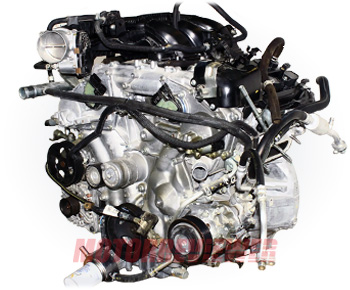
Nissan 3.8L VQ38DD Engine Overview
The VQ38DD engine is a gasoline, natural-aspirated, all-aluminum V6 engine produced by Nissan since 2020. This six-cylinder unit is the standard engine for the third-generation Frontier pickup truck (2020 and later), which replaces the previous 4.0-liter V6 VQ40DE engine. It is also used in the latest 7-gen Nissan Patrol, along with a more powerful, twin-turbocharged 3.5-liter VR35DDTT engine. The VQ38DD features all the key technologies of the DD series, such as direct fuel injection (NEO-Di) and electronically controlled continuously variable valve timing (eVTC). It offers up to 316 horsepower and 285 pound-feet (386 Nm) of torque, which is quite good for a NA engine. So let's dive into the design of the VQ38DD, learn its specs, reliability, pros, and cons.
VQ38DD Design and Features
The engine shares some DNA with the company's twin-turbo VR38DETT engine from the GT-R model. It is built around the similar light-weight aluminum, open-deck style cylinder block with a 60-degree angle. The block is fitted with a forged crankshaft, forged connecting rods, and reinforced aluminum pistons with unique top design. The engine comes with aluminum DOHC cylinder heads with four valves per cylinder. Cylinder heads also feature integrated and water-cooled exhaust manifolds with a single rectangular exhaust port (there are no headers). Valve cover assemblies are made of composite material (special automotive plastic).
Camshafts are driven by a set of timing chains. There is a main timing chain that drives the intake camshafts, and two smaller camshaft chains (one in each head) that connect the intake and exhaust camshafts. Each camshaft comes with a phase adjuster of the eVTC system (electronically controlled continuously variable valve timing). The main timing chain also powers a water pump, similar to the previous 4.0-liter VQ40DE engine.
The VQ38DD engine features direct fuel injection, known as Nissan's NEO-Di technology. Heads are equipped with special injectors that shoot fuel directly into the combustion chambers. While spark plugs are located in the center of the combustion chambers, direct injectors are placed at an angle on the intake side. The engine comes with a high-pressure fuel pump, which is responsible for compressing the fuel supplied by the conventional in-tank electric fuel pump to the pressure required for the direct injection. This pump is mounted to the top of the driver side valve cover, and it is driven by the exhaust camshaft.
The intake system includes a two-part intake manifold (lower and upper) and an electronically controlled throttle (drive-by-wire). The lower intake manifold, also known as the plenum, has electronically controlled valves inside (also called intake manifold runner control or IMRC) that control the flow of air into the engine to improve combustion efficiency. Both intake manifold parts are made of plastic. This engine also comes with an advanced coil-on-plug ignition system and long-lasting iridium spark plugs.
Engine Specs
Oil recommendations and capacity may vary depending on the car model, year, and market. Please check the service manual specific to your vehicle!
The Most Common Problems
Nissan VQ series V6s with direct injection have been around since 2017, but the VQ38DD engine is still relatively new to the market. So far, there have been no significant problems reported. Keep in mind that it is a sophisticated gasoline engine with a lot of high-tech materials, innovative components, and electronics. Of course, problems can arise from time to time due to wear and tear, defective parts, poor maintenance or some kind of abuse. However, no engine is flawless, and the VQ38DD also has some drawbacks that are worth noting.
Carbon Build-up Issue
Most direct-injected engines have a serious problem: carbon build-up inside the intake. This happens because there is no fuel as a cleaner inside ports, which helps to wash away sludge and oil from the valves and other surfaces. Over time, the engine can accumulate a thick layer of carbon build up, restricting air flow and leading to power loss and increased fuel consumption. It's worth noting that this is not a problem for low mileage engines (first signs usually arise after 100k-150k miles). At this point, it's difficult to determine how serious the VQ38DD engine is prone to this issue.
High Oil and Fuel Requirements
GDI engines need high-quality fuel with a higher octane rating (premium gasoline). Many automakers advise using high-detergent fuel to prevent buildup on injectors and intake valves. Poor-quality gas can clog injectors, leading to poor engine performance, reduced fuel economy and increased emissions. This can also shorten the lifespan of the high-pressure fuel pump. A full synthetic engine oil is also very important. Using a thinner 0W-20 oil can improve fuel economy and reduce harmful emissions. The durability of many VQ38DD components is highly dependent on the quality and cleanness of the engine oil. So it is crucial to change oil in time and strictly follow manufacturer recommendations.
Nissan 3.8 V6 VQ38DD Reliability and Longevity
So, is the new Nissan 3.8-liter V6 engine reliable? Yes, the VQ38DD engine is generally considered a very durable and reliable engine, thanks to its roots in Nissan's long-running VQ series. Unlike turbocharged engines, the engine's lack of a turbocharger also reduces potential points of failure. But keep in mind, the long-term reliability of any engine is directly linked to how well it is maintained throughout its life. To avoid future problems, it is important to use high-quality fuel and engine oil, and to closely follow the recommended maintenance schedule. With proper care, VQ38DD engines can be expected to last between 200,000 and 300,000 miles.