
Nissan 2.5L PR25DD Engine Specs, Problems, Reliability, Info
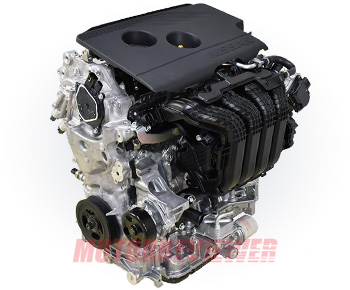
Nissan 2.5L PR25DD Engine Overview
The Nissan PR25DD is a 2.5-liter gasoline natural-aspirated 4-cylinder engine with direct fuel injection that was introduced in 2018 replacing the QR25DE. This new inline-four engine is heavily based on its predecessor, but features 95% different parts, better efficiency, and lower emissions. The PR25DD engine is used in popular Nissan compact and midsize vehicles, such as the Nissan Altima and the Nissan Rogue/X-Trail. You can also find this 2.5-liter direct-injection engine in the 2021+ Mitsubishi Outlander (it shares the platform with the Nissan Rogue).
PR25DD Design and Features
The PR25DD is built around an aluminum cylinder block. It has the same bore and stroke sizes as the QR25DE, but the compression ratio has been increased (12:1). The PR25DD block also features an iron mirror-bore coating instead of cast-iron liners. The oiling system comes with a variable-displacement oil pump. On top of the block, there is an aluminum 16-valve DOHC cylinder head with an integrated exhaust manifold and thermal-insulated resin intake ports. Camshafts are chain-driven and both sides come with the electronic valve timing control system (e-VTC).
The PR25DD cylinder head is also equipped with direct injectors and a high-pressure fuel pump mounted on top. While the QR25DE uses conventional port fuel injection, its successor comes with direct injection, in which fuel is injected directly into the combustion chamber. To do that, the PR25DD cylinder head was equipped with direct injectors and a high-pressure fuel pump mounted on top. Like many modern Nissan engines, the PR25DD also has an plastic intake manifold with variable-tumble control intake valves, an electronic throttle, as well as a cooled external exhaust gas recirculation (EGR) system.
Nissan company aimed to strike a balance between powerful acceleration, excellent fuel efficiency, and reduced NVH with this engine. As a result, the new 2.5-liter motor makes 181-188 hp at 6,000 RPM and around 180 lb-ft (245 Nm) at 3600 RPM, consumes less fuel, it is quieter and cleaner than its predecessor. However, it was replaced by a 1.5L KR15DDT turbocharged engine in some models starting in 2024.
Engine Specs
Oil recommendations and capacity may vary depending on the car model, year, and market. Please check the service manual specific to your vehicle!
Nissan 2.5L PR25DD Problems and Reliability
The engine has not been around for many years and it is still difficult to say how durable it is. During this time, some significant problems have already been discovered that can lead to serious engine failure. In addition, it is a fairly technologically advanced engine, which also has some disadvantages. Let's take a look at the most common issues with the PR25DD engine to date.
EGR Problems
This engine is known to have problems with the exhaust gas recirculation valve. Some owners have reported issues with rough idling or stalling in cold weather, throwing a P0404 code. This often happens due to carbon build-up holding the valve open or closed.
Carbon Buildup
This problem is common in Direct Injection (GDI) engines. The PR25DD utilizes direct injection only, so there is a lack of fuel in the intake ports, cleaning the intake valves. It can suffer from carbon buildup on the intake valves over time.
Crankshaft Bearing Failures
In 2025, Nissan recalled over 440,000 vehicles due to the risk of engine failure. The issue comes down to a faulty engine bearing, which can break apart completely or wear down too quickly, leading to sudden engine failure. The recall affects 2016-2021 Nissan and Infiniti models equipped with QR25DD or PR25DD engines.
Timing Chain Wear
Some owners have reported problems related to the rapid wear of the timing chain and tensioner. It is worth noting that this issue was also common to the latest QR25DD engine.
Nissan 2.5L PR25DD Longevity
Actually, reliability data is still not enough. We can only rely on user reports and general automotive longevity trends. The Nissan PR25DD engine is an all-aluminum, direct-injection engine with a cylinder bore iron coating, which does not sound very promising. However, properly maintained engines are capable of lasting over 200,000 miles. Just keep in mind that it requires 0W-20 oil, frequent oil changes, and strict maintenance.