
Hyundai KIA Smartstream G2.5 G4KN/G4KM Engine Specs, Problems, Reliability, Info
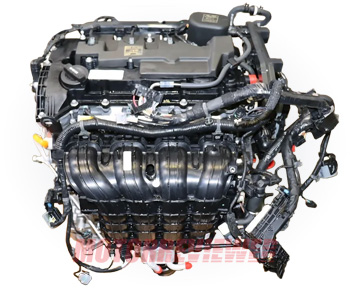
Hyundai/Kia Smartstream G2.5 GDi/MPi Engine Overview
The Smartstream G2.5 is a 2.5-liter naturally aspirated inline-four gasoline engine introduced by the Hyundai Motor Group in 2019. This engine comes in two versions: 2.5 MPi or G4KM with multi-port injection and 2.5 GDi G4KN with combined fuel injection (direct + multi-port). Both power units are part of the Theta III series, which also includes the latest turbocharged 2.5-liter engine - the Smartstream G2.5 T-GDi, named G4KP and G4KR. Hyundai commonly uses the Smartstream G2.5 in mid-size sedans and crossovers, such as the Hyundai Sonata, Kia K5, Hyundai Santa Fe, Kia Sorento, and Hyundai Tucson.
Smartstream G2.5 GDi G4KN Engine
The Smartstream G2.5 GDi or G4KN engine has the same design as other engines in the Theta lineup. It features an aluminum open-deck-style cylinder block with cylinder liners and an aluminum DOHC cylinder head with 16 valves and integrated exhaust manifold. The engine comes with oil squirters, a variable displacement oil pump, and an electronically controlled two-stage oiling system. The engine is equipped with a variable valve timing system (D-CVVT) for intake and exhaust, as well as hydraulic lash adjusters. The camshafts are driven by a single row timing chain.
The G4KN version features a 13.0:1 compression ratio and combined GDi (Gasoline Direct Injection) and MPi (Multi-Point Injection). The direct fuel injection system is used for high power and efficiency at maximum loads, while the MPi system reduces emissions and engine deposits. The GDi system requires high fuel pressure. For this purpose, the G4KN is equipped with a high-pressure fuel pump mounted on top of the engine head cover and driven by an additional lobe on the exhaust camshaft. The intake manifold and the head cover are made of plastic. The throttle body is electronic, as is the ignition system, which features iridium spark plugs and individual coils. It's also worth mentioning that Theta III engines come with an Integrated Thermal Management Module (ITMM or ITM). As the result, the Smartstream G 2.5 GDi engine delivers 191-195 hp at 6,100 rpm and 181-183 lb-ft (245-248 Nm) of torque at 4,000 rpm.
G4KM Engine
The Smartstream G2.5 MPi and GDi version share the same Thetta III architecture. The G4KM lacks a direct injection system (direct injectors, high-pressure pump, etc.) and only uses multi-point injection. It also has a reduced from 13:1 to 10.5:1 compression ratio. The MPi version features simpler and more reliable design, but, as a downside, it makes less power and torque: 177 hp at 6,000 RPM and 171 lb-ft (232 Nm) at 4,000 RPM.
Engine Specs
G4KM - Multi-Point Injection
10.5:1 - G4KM
Oil recommendations and capacity may vary depending on the car model, year, and market. Please check the service manual specific to your vehicle!
Hyundai/Kia Smartstream G2.5 Problems and Reliability
Thetta III series offers improved reliability compared to older Theta II engines, but it is still far from perfect. Let's take a look at the most common issues with the 2.5L Smartstream GDi/MPi engine known so far.
Carbon Buildup
The Smartstream G2.5 GDI engine (G4KN) comes with dual-injection system (GDI + MPI). This type of injection usually helps to eliminate or minimize carbon accumulation in the intake. However, for some reason, this engine can still experience carbon buildup over time.
Excessive Oil Consumption
At the beginning of production, both MPi and GDi engines had problems with oil consumption. Many owners reported high oil consumption starting from the first thousand miles. Later models seem to not have this issue in common.
ITMM Failures
An Integrated Thermal Management Module, or ITMM, is a very expensive and not so durable component in these engines. This module rarely lasts more than 50,000 miles.
Smartstream G2.5 GDi/MPi Longevity
Despite some problems, the Hyundai/Kia Smartstream 2.5L engine (G4KM/G4KN) is generally considered a reliable, powerful, and durable inline-four with a capability to serve 200,000+ miles when properly maintained. In order to ensure the engine lasts as long as possible, it's important to use high-quality fuel and recommended full synthetic oil. It's also a good idea to change the oil at least every 5,000 miles.