
Mitsubishi 4N15 2.4 DiD Engine Specs, Problems, Reliability, Info
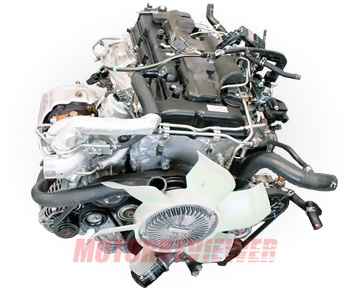
Mitsubishi 2.4 DiD 4N15 Engine Info
The Mitsubishi 4N15 is a 2.4-liter, all-aluminum, inline four-cylinder, turbocharged diesel engine with a Common Rail fuel system. This engine belongs to 4N1 series, which also includes the 1.8-liter 4N13 and the 2.3-liter 4N14. The 4N15 version was introduced in 2014 as a replacement for the legendary Mitsubishi's 2.5-liter 4D56 diesel engine, which had been in production since 1986. The Mitsubishi 4N15 engine is used in pickup trucks and body-on-frame SUVs, as well as on some commercial and passenger models. You can find this new diesel engine in such popular models as the Mitsubishi L200/Triton or the Mitsubishi Pajero Sport/Montero Sport.
Mitsubishi 4N15 Engine Design Features
The 2.4-liter 4N15 engine is heavily based on the 2.3-liter version, the 4N14. The core of the 4N15 diesel is the same lightweight aluminum cylinder block (4D56 has a cast iron block) with an offset angle crankshaft that reduces friction, noise and vibration. The 4N15 has an increased stroke - 4.14 in (105.1 mm) compared to 3.84 in (97.6 mm) in the 4N14, while the bore size was remained the same. On top of the engine block, there is an aluminum 16-valve (4 valves per cylinder) DOHC cylinder head. The intake camshaft and the exhaust camshaft are connected by gears. The timing chain drives only the intake camshaft. High Power versions come with MIVEC variable valve timing on the intake, while Low Power versions (150 hp) don't have it. It is also worth noting that the valvetrain is not equipped with hydraulic lifters and manual valve clearance adjustment is required.
The engine uses a high-pressure Common Rail injection system (DI-D) with electromagnetic solenoid fuel-injectors that produce a finer fuel spray to improve combustion efficiency. Fuel pressure is up to 200 MPa (2000 bar). In a cold climate, the engine start is ensured by a fast-acting ceramic glow plug system. The 4N15 also uses a variable geometry (VG) turbocharger and a variable diffuser (VD). Hot compressed air is first cooled by an air-to-air intercooler and then enters the cast-aluminum intake manifold. The exhaust gases go through a new catalyst system, combining a Diesel Particulate Filter (DPF), a Diesel Oxidation Catalyst (DOC) and a NOx Trap Catalyst (NTC). Thanks to all the technology used, the new diesel engine meets the Euro 5 standard in Europe and the Tier 2 Bin 5 emission regulations in the United States.
Engine Specs
Oil recommendations and capacity may vary depending on the car model, year, and market. Please check the service manual specific to your vehicle!
Mitsubishi 2.4L Diesel 4N15 Problems and Reliability
The 4N15 is a mostly good and reliable diesel engine, but it is not perfect. It is known for problems with EGR and intake carbon buildup, faulty DPF regenerations, cylinder head cracks, and coolant leaks. This engine also requires high-quality fuel and regular maintenance, including valve clearance checks and adjustments every 25,000 miles (40,000 km).
Valve Clearance Adjustment Issue
The 4N15 valvetrain utilizes a shim and bucket system, requiring checks from time to time. This process involves removing and reinstalling the injectors multiple times, which can lead to improper seating, damaged injector seals, resulting in compression leaks and combustion gas escape. One of the main signs of injector seat failure is the DPF going into frequent regeneration cycles due to incomplete combustion and excess soot build-up in the DPF.
Injector and Fuel Pump Failure
Low-quality diesel fuel can clog injectors and cause premature wear inside a high-pressure fuel pump. Faulty pump sends metal contamination through the entire system causing injectors jamming as well. Typical signs of fuel system problems include engine misfires, rough idling, difficulty starting and poor acceleration.
Head Cracking
The engine can develop cracks in the cylinder head around the injector tubes or seat areas, leading to coolant loss or visible coolant leakage from the driver's side. This happens mostly due to faulty casting, but it can also be caused by over-tightening injector clamp bolts during maintenance or valve clearance adjustments. A cracked cylinder head is generally unrepairable and must be replaced.
Engine Longevity
The Mitsubishi 4N15 2.4-liter turbo-diesel engine is generally considered as a reliable and durable, but only if it receives strict and consistent maintenance, uses good fuel, and high-grade fully synthetic oil. Well-maintained engines typically lasts over 200,000+ miles (approx. 300,000-350,000 km).