
Mitsubishi 6B31 3.0L Engine Specs, Problems, Reliability, Info
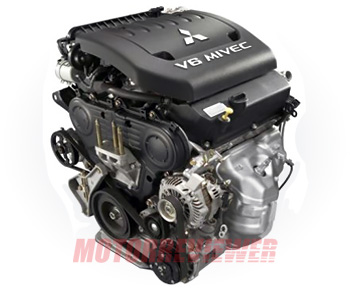
3.0L V6 MIVEC 6B31 Engine Info
The 6B31 is a 3.0-liter naturally aspirated gasoline V6 engine developed by Mitsubishi Motors and introduced first in the 2006 second-generation Mitsubishi Outlander model. This engine has replaced the 3.0-liter 6G72 engine, and to this day it is the most advanced gasoline V6 engine in the hands of Japanese car manufacturer. The successor features aluminum cylinder block and heads, 24-valve valvetrain with MIVEC variable valve timing, and multi-point fuel injection. Mitsubishi Motors used the 6B31 engine in popular crossovers such as the Mitsubishi Outlander and the SUV Pajero Sport/Challenger, based on the pickup truck Triton/L200. Let's see how the 3.0-liter V6 engine is built and learn about its strengths and weaknesses.
Mitsubishi 6B31 Engine Design Features
The engine is built around a lightweight die-casting aluminum V-shaped cylinder block with 60 degree angle. This block features an offset crankshaft, open cooling jacket (open deck) and thin-walled cast iron liners. The engine block is covered with aluminum SOHC cylinder heads with four valves per cylinder (24 valves total). The valvetrain comes with hydraulic lash adjusters for the exhaust valves, roller rocker arms, and a proprietary Mitsubishi variable valve timing and lift system called MIVEC. Camshafts are driven by a belt.
The engine is equipped with a sophisticated electronically controlled multipoint fuel injection system with ultra-fine atomization injectors and an electronic throttle control system (throttle-by-wire). The ignition system is also electronically controlled and it comes with individual coils for each spark plug. Moreover, the 6B31 features an aluminum variable intake manifold with a 2-stage induction control valve: a longer intake tract below 3,600 rpm and a shorter tract to the intake valves over 3,600 rpm to increase power. Thanks to a two-stage variable intake manifold and MIVEC system, almost 90% of peak torque is available from just 2,000 rpm. The 6B31 engine is also much lighter than its predecessor. The weight was significantly reduced not only through the use of an aluminum cylinder block, but also by using lightweight materials. For example, rocker covers and parts of the intake manifold are made of special heat-resistant plastic.
The maximum power remained nearly unchanged. 2006-2010 models with a 9.5:1 compression produce 217 hp and 204 lb-ft (276 Nm) of torque, while post-2010 engines with a 10.5:1 compression ratio provide 227 hp and 215 lb-ft (291 Nm). At the same time, fuel consumption for the 6B31 V6 MIVEC engine averages between 20-23 MPG combined, depending on the vehicle model. It is a noticeable improvement over the 6G72 engine, which often shows only 12 to 19 MPG.
Engine Specs
10.5:1 - 2010+
Oil recommendations and capacity may vary depending on the car model, year, and market. Please check the service manual specific to your vehicle!
Mitsubishi 3.0L 6B31 Engine Problems and Reliability
In terms of reliability, the Mitsubishi 6B31 engine is seriously inferior to the 6G72 engine. The successor has a lot of design flaws and several common problems, including oil pump wear leading to oil starvation, rapid camshaft wear, and oil leaks.
Oil Starvation and Oil Pump Wear
One of the most common problems is a pressure drop in the oil system after 100,000 to 120,000 miles due to oil pump wear and its performance decrease. The clear sign of a malfunction in the oil system is ticking lifters (hydraulic lash adjusters). Oil starvation can lead to severe engine damage, including scored bearings and engine seizure.
Camshaft and Journal Wear
Camshaft lobes and cylinder head journals often wear out after approximately 120,000 to 150,000 miles of use, necessitating expensive engine repairs.
Oil Leaks and Timing Belt Issue
Every engine can suffer from oil leaks from time to time. Typical places where oil can escape are crankshaft seals and valve cover gaskets. But the 6B31 also has a problem with valve covers. They can crack, allowing oil to drip onto the timing belt, drastically shortening the belt's lifespan. A snapped belt causes pistons to strike the valves, bending them and damaging pistons and the cylinder head.
Mitsubishi 3.0L V6 Longevity
The Mitsubishi 6B31 is generally considered as a durable and long-lasting V6 engine, capable of running for over 200,000 to 250,000 miles with a proper and regular maintenance. Unfortunately, the current emission regulations and unresting pursuit of efficiency have had a negative impact on reliability. As a result, while the old 6G7 engine series is almost problem-free, newer 6B31 engines require some attention from time to time.